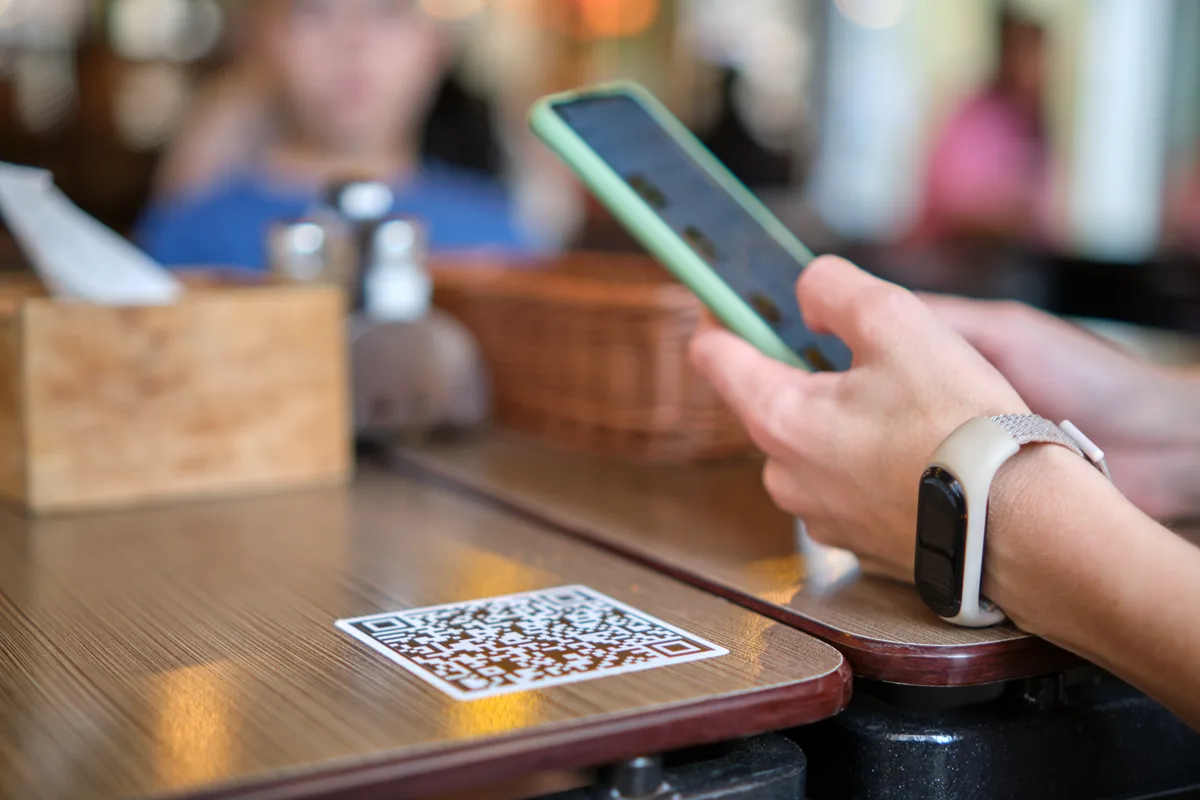
Guest scanning a restaurant table QR code with a phone
Mobile menu, permanent link

Free QR menu generator for restaurants and cafés

Build a structured menu for phones, publish it at one stable link, and print the QR code for tables, counters, windows, or takeaway packaging. Start with up to five menu items on the free plan.

What a QR menu should do after the scan

A QR code is only the doorway. The page behind it should load quickly, fit a small screen, make categories easy to scan, and show prices without forcing the guest to zoom. Qenvario stores the menu as structured content rather than a single poster-sized file, so headings, item cards, and navigation can respond to the visitor’s screen.

The public menu URL remains the destination while you edit the content in the dashboard. That means a price correction, a sold-out item, or a new seasonal category does not require a new table QR code. You still control when changes become public by reviewing and publishing the menu.

  • Use short category names that match how guests order
  • Keep prices and availability current
  • Compress item photos and use them selectively
  • Test the printed code in the lighting of the venue
Related guide: What is a QR menu?

Free plan and Pro plan: choose by menu size

The free plan costs $0 and supports up to five menu items. It includes the public profile, QR and print card, themes, a contact form, basic analytics, up to five links, and Qenvario branding. It is suitable for a small test menu, a compact drinks list, or validating the scan experience before a full rollout.

Pro is $4.99 per month or $29 per year. It adds unlimited menu categories and items, more links and gallery capacity, premium styles, custom fields, custom-domain options, and the ability to remove Qenvario branding. You can begin without a credit card on Free and upgrade when the size or presentation of the menu requires it.

Related guide: QR menu pricing

Plan the physical QR placement before printing

A beautiful digital menu cannot help if the printed code is too small, reflective, damaged, or placed where the camera cannot focus. Keep strong contrast around the code, preserve the empty quiet zone around its edges, and avoid stretching it. Test from the same distance a seated guest will use.

Place a short instruction next to the code and keep a human-readable business or menu label nearby. For critical service, retain an accessible alternative for guests who cannot or do not want to scan. The goal is to make access easier, not to create a new barrier.

Related guide: QR menu printing guide

Qenvario QR menu vs. a static PDF

Both formats can be opened from a QR code, but the experience after the scan is different. A structured web menu is easier to read on a phone and can be updated without replacing the printed QR code.

CriteriaQenvario web menuStatic PDF menu
Phone readabilityResponsive categories and item cardsOften requires zooming and panning
Price or item updateEdit and publish from the dashboardExport and upload a new file
QR code after an updateThe same menu URL keeps workingDepends on whether the file URL changes
Menu languagesStructured Turkish and English contentUsually separate files or duplicated pages
Basic engagement signalsMenu visits and interaction analyticsNot normally included in the PDF itself

A practical fit for

  • Restaurants replacing a hard-to-read PDF or image menu
  • Cafés that change seasonal drinks, prices, or availability
  • Small hospitality teams that need updates without a developer
  • Businesses serving both local guests and international visitors

What you can manage in Qenvario

  • Menu categories, item names, descriptions, prices, and photos
  • A printable QR card connected to your published menu
  • Turkish and English menu content from one workspace
  • Business profile links, contact details, and a featured link
  • Menu themes designed for mobile screens
  • Basic menu visits and customer interaction analytics

How to publish your QR menu

Step 01

Create the menu

Add categories and the items customers need to decide what to order.

Step 02

Review the phone view

Check names, prices, images, and language content before publishing.

Step 03

Print and place the QR code

Download your QR asset and test the final printed size with a real phone.

See the customer experience first

Open the Mora Bistro example on your phone and move through its categories before creating your own.

View the live restaurant demo

One workspace, three useful outputs

Mobile menu

A structured menu that adapts to the customer’s screen.

Printable QR

A stable code for table cards, signs, and takeaway material.

Actionable signals

Basic visit and interaction data to understand customer interest.

QR menu questions

Publish a clearer menu without reprinting every update

Start with a small free menu, test it on a real phone, and expand when your menu is ready.